Do you ever find your favourite shoes wearing out far too soon? That pair you love so much—the one that fits perfectly—suddenly looks tired and beat-up. The truth is, shoes don't have to be short-lived. With the proper care, they can look good and perform well for years. Here’s a breakdown of easy, practical steps to make your shoes last longer—without turning it into a chore.
Clean Shoes Regularly
Let's be honest—most people don't clean their shoes until they look terrible. But dirt, dust, and stains can break down materials faster.
For leather shoes, a damp cloth and mild soap can work wonders. Sneakers benefit from a soft brush and a gentle cleaner, especially around the soles. Suede requires a different approach—a suede brush and an eraser for scuffs.
A quick five-minute clean after every few wears can keep them looking fresh and prevent deep stains from setting in.
Rotate Your Footwear
Wearing the same shoes every day is a fast track to wearing them out. Materials need time to breathe and recover from the moisture and pressure of daily wear.
If you have at least two or three pairs in regular rotation, you’ll give each pair a break. Not only will this extend their life, but it will also keep them more comfortable.
Think of it as letting your shoes rest between “shifts.”
Use The Right Shoe Storage
Where your shoes live when they’re not on your feet matters more than you think. Tossing them into a dark, damp corner or leaving them in direct sunlight can warp their shape and damage materials.
A cool, dry spot is best. For leather and suede shoes, use shoe trees to help maintain shape and absorb moisture. Sneakers can benefit from simple stuffing with acid-free tissue paper.
If you’re storing them for a long time, breathable fabric bags are better than plastic boxes, which can trap moisture.
Keep Them Dry
Water can be one of your shoes' worst enemies. Whether it's heavy rain or a spilt drink, moisture can lead to stains, mould, and even material breakdown.
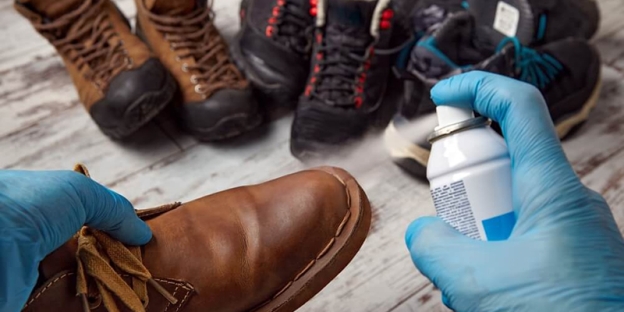
Waterproofing sprays are an easy fix—make sure you choose the right one for the shoe's material. Apply them regularly, especially before wet seasons.
If your shoes do get soaked, dry them naturally. Avoid heaters or hair dryers, as high heat can cause cracking or shrinking. Stuffing them with newspaper can help draw out moisture while keeping their shape.
Mind The Soles
Soles take the most wear, and ignoring them can mean losing the whole shoe sooner.
Check them regularly for thinning or damage. Rubber soles can be replaced before they wear entirely through, and a cobbler can resole leather soles.
The cost of repair is often far less than replacing a quality pair of shoes. Think of it as giving your shoes a second life.
Protect Against Odour
No one likes smelly shoes. Beyond being unpleasant, odour often means bacteria and moisture are trapped inside, which can break down materials.
After wearing, let the shoes air out instead of tossing them straight into a closed space. Insoles designed to wick moisture can help, and you can sprinkle baking soda inside occasionally to neutralise smells. For sneakers, washable insoles can be a game-changer.
Match The Shoe To The Activity
Wearing your nice leather loafers for a muddy hike isn’t just a bad idea—it’s shoe sabotage. Shoes are designed with specific uses in mind.
Running shoes handle repetitive impact. Hiking boots resist rough terrain. Dress shoes are meant for smooth, indoor settings.
By using the right shoes for the right occasion, you’ll keep them looking better and lasting longer.
Don’t Ignore Small Repairs
A loose stitch, a small tear, or a peeling sole may not seem urgent, but these little problems grow fast.
Catching them early means easier, cheaper fixes. A cobbler can reinforce seams, replace eyelets, or reattach parts before the damage spreads. It's like taking care of a small leak in the roof before it becomes a significant flood.
Use A Shoe Horn
It might seem old-fashioned, but a shoe horn can save the backs of your shoes from unnecessary Stress. Forcing your foot in without one can crush the heel counter and weaken the structure over time.
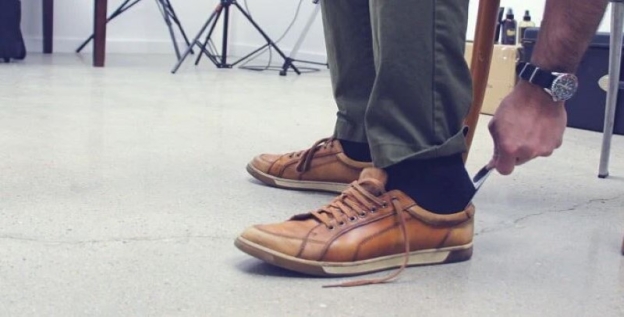
A small, inexpensive shoe horn by the door can make slipping into shoes smoother and safer, especially for those with unusual shoe shapes.
Keep Polishing Leather
Leather shoes thrive with regular polishing. Not only does polish restore shine, but it also nourishes the leather and prevents drying and cracking.
Choose a polish that matches the shoe's colour or go with a neutral option. Apply it after cleaning, then buff with a soft cloth. A little attention every few weeks can keep leather shoes looking almost new.
Avoid Overwashing Sneakers
It's tempting to toss dirty sneakers into the washing machine, but frequent machine washing can weaken glue, fade colours, and warp materials.
Spot cleaning is a better option. If they're really in need of a complete wash, hand washing with a mild detergent and air drying will help them last longer.
Watch The Weather
If you know it’s going to rain, skip the suede. If snow is in the forecast, leather boots with good waterproofing are a safer choice.
Planning saves your shoes from unnecessary damage and saves you the trouble of repairing them later.
Invest In Quality
While this tip comes last, it can make the most significant difference. Higher-quality shoes often use better materials, stronger stitching, and replaceable soles.
They may cost more upfront, but they're built to handle repairs and years of wear—especially if you follow the care tips above. Sometimes, the most innovative way to make shoes last longer is to start with a pair that's designed for it.
Walking Away With Longer-Lasting Shoes
Taking care of shoes isn’t about making them look new forever—it’s about keeping them comfortable, functional, and presentable for as long as possible.
By cleaning regularly, storing properly, repairing early, and using them as intended, you can add years to their life. The best part? Every step you take in well-cared-for shoes feels just a little better.